

Have you ever sneezed or laughed a little too hard and felt a little drop of pee? Or maybe you have this weird pressure or heaviness down there? That’s your pelvic floor crying for help.
Leaks, pressure, or discomfort in the pelvis are more common than people talk about, but that doesn’t mean you have to live with these uncomfortable symptoms. Let’s talk about what these symptoms of pelvic floor dysfunction mean and when you need to see a pelvic floor physiotherapist to help you regain control.
What’s the Pelvic Floor?
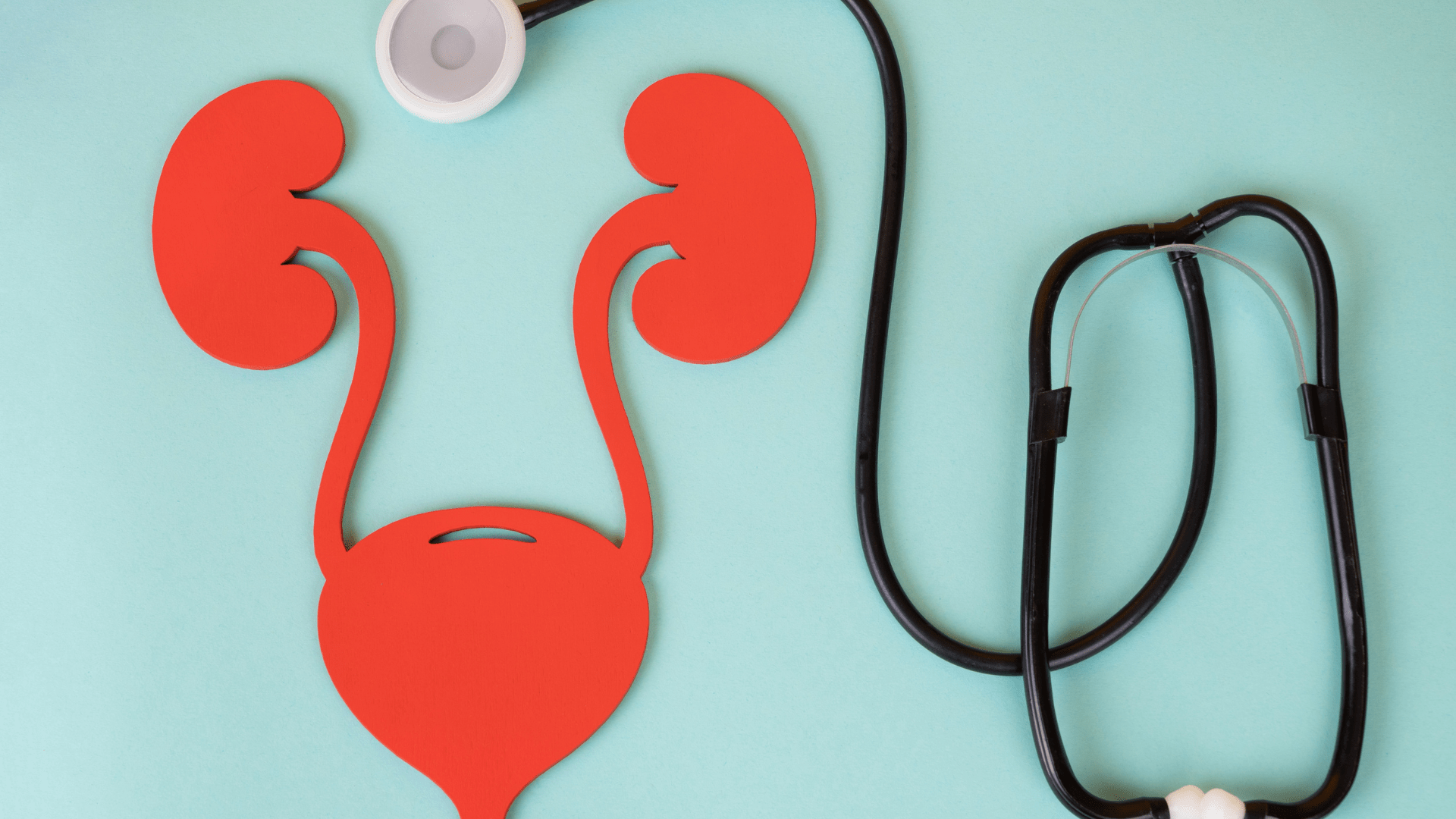
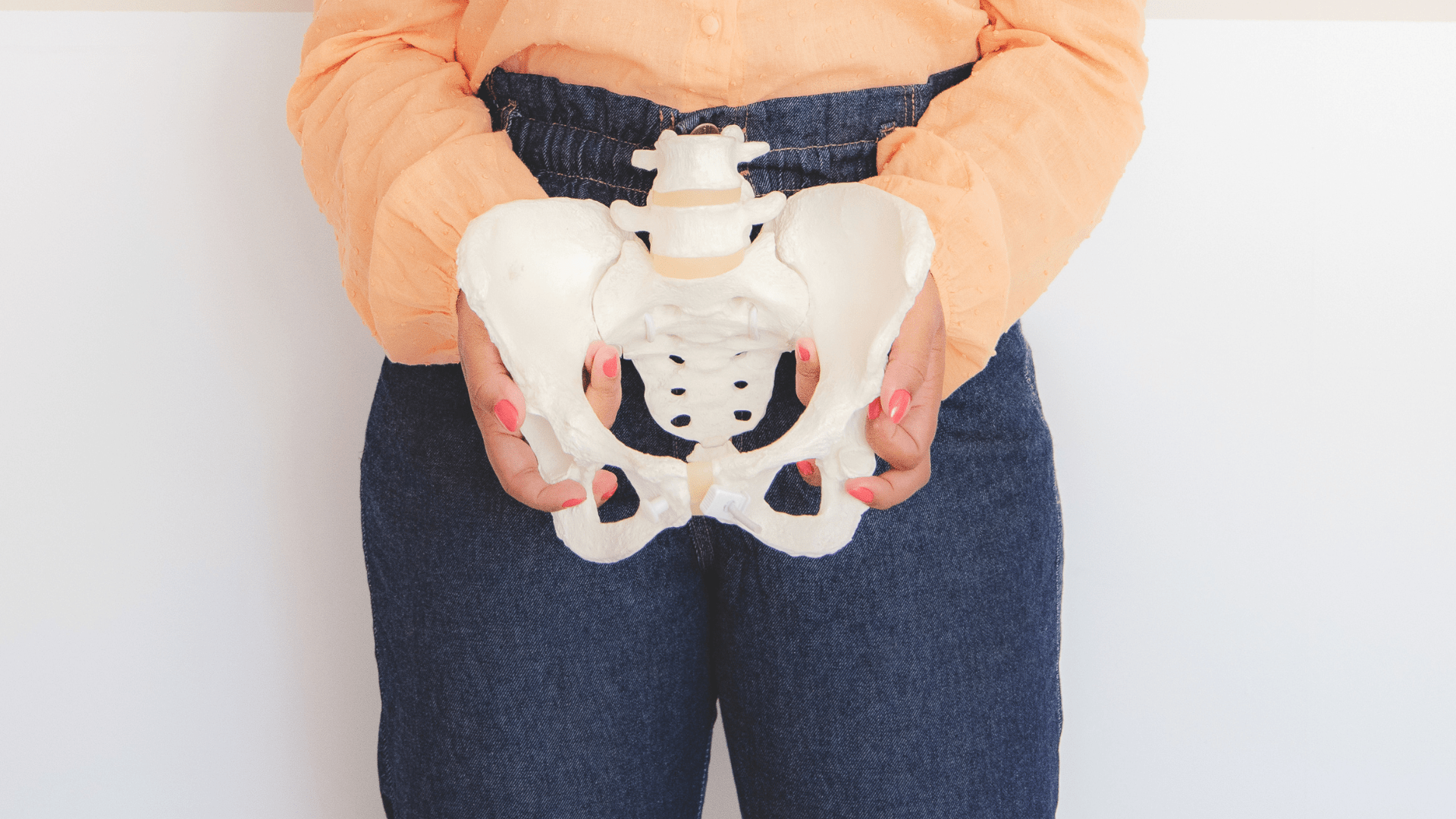
Think of your pelvic floor like a supportive group of muscles at the base of your pelvis that hold up your bladder, uterus, and rectum. When it’s strong, everything stays in place and works smoothly. However, when these muscles get weak or tight, things can start misbehaving. Leaks happen, sex can hurt, and in some cases, your organs, like your bladder or uterus, can start to push down (aka prolapse).
Causes of Pelvic Floor Dysfunction
Pelvic floor dysfunction can happen due to weakness, tension, or imbalance in your pelvic floor from:
- Pregnancy or childbirth: This is one of the most common reasons women experience leaks, heaviness, or pain after pregnancy. Pregnancy stretches your pelvic floor to make room for your baby, and vaginal delivery can strain or even injure the muscles and connective tissue.
- Age and menopause: Oestrogen levels drop during menopause, and as this happens, your pelvic tissues can lose their elasticity and strength, making leaks and prolapse more likely. Even without childbirth, aging can affect your pelvic floor’s support.
- Chronic straining: Chronic constipation, frequent heavy lifting, or intense core workouts without proper technique can overload your pelvic floor and make you more prone to having pelvic floor dysfunction.
- Trauma or surgery to your pelvic region: Pelvic surgeries, like hysterectomy(when the uterus is surgically removed), or pelvic injuries can sometimes weaken or scar the pelvic floor, affecting its ability to function properly.
Symptoms of Pelvic Floor Dysfunction
- Leaks: If you experience even a tiny dribble of urine when you sneeze, laugh, jump, or cough, that is called stress incontinence. This means that your pelvic floor muscles can’t fully support your bladder under pressure.
- Frequent bathroom trips: Feeling a strong need to pee or going to the bathroom more frequently than usual could point to overactive pelvic floor muscles or bladder dysfunction. Sometimes, it can even mimic signs of a Urinary Tract Infection (UTI), so don’t ignore repeated urges or burning sensations.
- Pressure or heaviness: If you feel a weird heaviness, pressure, or bulge down there, like something is pushing or sagging, that could be a pelvic organ prolapse where the bladder, uterus, or rectum can start pushing into the vaginal canal.
- Pain during sex: Pelvic floor dysfunction can make sex painful, either because the muscles are too tight, weak, or just uncoordinated. The pain can happen during penetration, deep thrusting, or even after sex.
- Bowel symptoms: If your pelvic floor muscles are too tight or weak, it can affect how your rectum works, and you might have difficulty fully emptying your bowels, constipation, or experience sudden urges.
- Lower back or hip pain: Your pelvic floor works as part of your core system, along with deep abdominal and back muscles. If you have pelvic floor dysfunction, it can cause discomfort in your lower back, hip pain, or a feeling of instability, especially during exercise, lifting, or even standing for long periods.
When to See a Pelvic Floor Physiotherapist
If you experience any of the above symptoms, those are red flags. Don’t just deal with them alone. Book a session with a pelvic floor physiotherapist who will help you:
- Assess the strength, tension, and coordination of your pelvic floor.
- Teach and guide you with exercises to improve your pelvic floor.
- Improve your core and posture if you have back or hip pain.
- Help you with uncomfortable symptoms of bladder leaks, painful sex, or prolapse.
Final Thoughts
Your pelvic floor does a lot of work behind the scenes, from holding things up to helping you enjoy sex and bathroom control. Leaks, pressure, pain, or discomfort shouldn’t be ignored.
If you experience any of these symptoms, book a session with our pelvic floor physiotherapist here to help you get started on your journey to regaining control of your pelvic floor.
References
Pelvic Floor Dysfunction – StatPearls – NCBI Bookshelf