

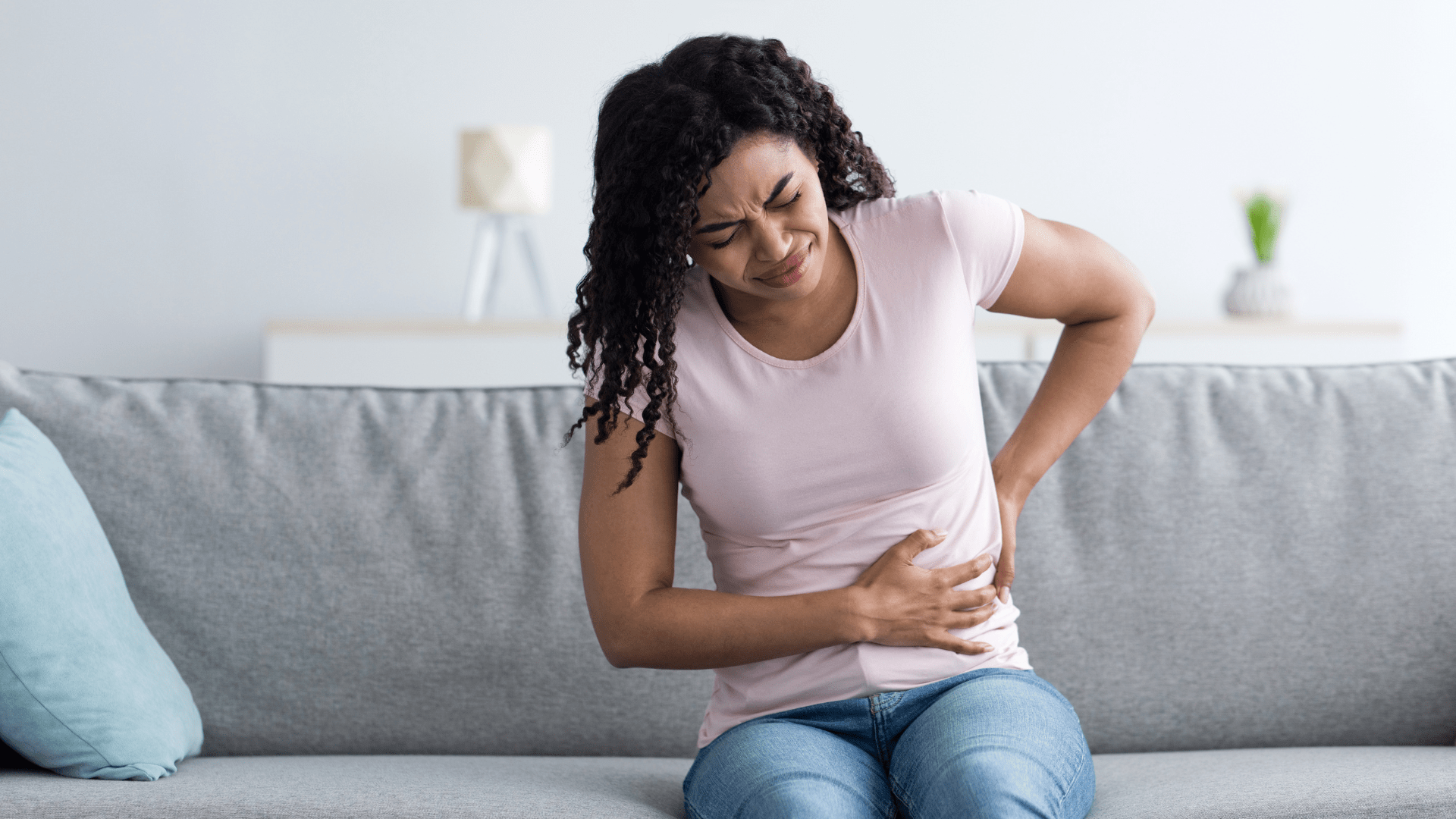
For so many women with bad period pain, suffering becomes a painful routine. They live with this for months or even years, powering through cramps that feel anything but normal, missing work, cancelling plans, and living through life with this debilitating pain because they’ve been told they are exaggerating and “it’s part of being a woman.”
Well…it is not. When period pain becomes bad, disabling, or starts to take over your life, it might be a symptom of something more, like endometriosis. So, let’s talk about what endometriosis really is, why it happens, the symptoms, and how you can get the help you need.
What Is Endometriosis?
Endometriosis is a condition where tissue that behaves like the inner lining of your uterus (endometrium) grows outside the uterus, in places it doesn’t belong. This tissue can be found around pelvic organs like the ovaries, fallopian tubes, bowel, bladder, or pelvic lining. In some rare cases, it can be found in the chest.
Just like the way the lining of your uterus responds to your hormones during your cycle, the endometrial-like tissue does the same. Each menstrual cycle, it thickens, breaks down, and reacts as if it’s preparing for your period, but there is no safe exit route. Instead of shedding normally and flowing out like normal blood during your period, it triggers inflammation, irritation, swelling, scars, and sometimes, makes the organs stick to each other (aka adhesions).
Think of it like your body trying to run its normal monthly process, just that it happens in the wrong location and gets increasingly frustrated when it can’t.
What Causes Endometriosis?
The short answer? We don’t know the single exact cause. The long answer? Scientists have come up with various theories and believe endometriosis develops due to a mix of different factors, and not just one thing. Some of the common theories are:
Retrograde menstruation
This is when some of the menstrual blood flows backward through the fallopian tubes into the pelvis instead of leaving the body through the vagina. This blood can carry endometrial-like cells, which may stick to the pelvic organs and continue to grow from there. It is important to note that retrograde menstruation actually happens in a lot of women, so on its own, it doesn’t explain why endometriosis happens.
Immune system factors
Normally, your immune system is like front-line soldiers that protect and clear out any tissue that doesn’t belong where it is. In some women with autoimmune conditions like lupus or multiple sclerosis, their immune system isn’t able to do this as effectively.
Genetics
Endometriosis tends to run in families, so the risk is higher in women whose mother or sister has it.
Hormones
Endometriosis is hormone-dependent and is especially influenced by oestrogen. Higher or prolonged exposure to oestrogen, for example, in women who started their periods at a very young age, have very short cycles, or hormonal imbalances with high oestrogen levels, can encourage the growth of this endometrial-like tissue.
Common Symptoms of Endometriosis
Endometriosis looks different in different women. Not all women would have the same type and degree of symptoms. Some of the common symptoms of endometriosis are:
- Very painful periods, which usually don’t go away with regular painkillers.
- Pelvic pain when you’re not on your period.
- Pain during or after sex.
- Heavy or irregular bleeding.
- Digestive or urinary symptoms. Some women experience bloating, painful urination, defecation, or blood in their stools and urine when they’re on their period.
- Difficulty getting pregnant.
How Is Endometriosis Diagnosed?
Endometriosis is one of the leading causes of longstanding pelvic pain and painful periods, and yet it takes years for many women to get a proper diagnosis, partly because some of the symptoms overlap with other conditions.
Imaging tests like a pelvic ultrasound scan or an MRI can help, but usually they don’t detect smaller patches of endometriosis.
The gold-standard for diagnosis of endometriosis is laparoscopy. This is a minimally invasive surgery where a doctor looks inside your pelvis, takes out any suspicious tissue, and sends it to the lab for confirmation.
Treatment Options for Endometriosis
Treatment of endometriosis depends on the symptoms, severity, and whether you want to get pregnant. The options include:
- Pain management with painkillers to help with cramps and discomfort.
- Hormonal therapy: Birth control pills, hormonal IUDs, or other medications prescribed by your doctor can help reduce pain and slow the growth of endometrial-like tissue.
- Surgery: A laparoscopic surgery can remove endometriosis tissue and adhesions. In some severe cases, a hysterectomy may be considered (surgery to remove the uterus).
- Lifestyle and self-care: Exercise, heat therapy, and stress management can support overall pelvic health and help manage pain.
Final Thoughts
Endometriosis is a chronic condition, but with the right care, symptoms can be managed effectively. It’s important to work with a gynecologist to create a treatment plan that fits your needs. If you’d like to speak with one, click here to get started.
References
Endometriosis – StatPearls – NCBI Bookshelf
Endometriosis: A Review of Clinical Diagnosis, Treatment, and Pathogenesis – PMC